Sep. 07, 2026
When choosing skirting boards, the material can make or break your interior design. Users often ask, "What is the best skirting board material for my home?" Here, we will explore the characteristics of four popular skirting board materials: Wood, MDF (Medium Density Fiberboard), PVC (Polyvinyl Chloride), and Stone Composite. We aim to address common pain points such as durability, cost-effectiveness, and aesthetic appeal, while providing users with practical scenarios illustrating each option's impact on floor molding and underlayment needs. You’re not alone in wanting the best look and longevity for your space!
| Material | Cost per Linear Meter | Durability Rating (Years) | Water Resistance | Installation Difficulty |
|---|---|---|---|---|
| Wood | $3 - $12 | 10 - 20 | Poor | Medium |
| MDF | $2 - $8 | 5 - 15 | Fair | Easy |
| PVC | $1 - $6 | 10 - 30 | Excellent | Easy |
| Stone Composite | $7 - $15 | 20 - 50 | Excellent | Hard |
Wood is often chosen for its natural beauty and classic look. Ideal for traditional homes, it can last for 20 years with proper care. However, homeowners in humid areas often find wood susceptible to warping, which can lead to increased maintenance costs. In a real case, Sarah, a homeowner in a coastal town, noted that her wooden skirting boards began to swell and crack within five years, necessitating a costly replacement.
MDF offers a more budget-friendly alternative. It’s easy to paint and shape, making it versatile for many interior styles. While it can last 12 years, its water resistance is limited. Michael, who recently renovated his apartment, opted for MDF due to its low cost but faced headaches when water seeped onto the boards, leading to unsightly swelling and requiring replacement within just 8 years.
PVC skirting boards have gained popularity for their extreme durability and excellent waterproofing, making them a favorite for kitchens and bathrooms. Users report a lifespan of 30 years. Jenna, a restaurant owner, upgraded to PVC skirting boards and has noted no maintenance issues after five years, increasing her floors' longevity and reducing total operating costs.
Stone composite skirting boards present the perfect blend of durability and design. With a lifespan of up to 50 years, they withstand moisture and wear, making them ideal for high-traffic areas. Tom, a construction manager, incorporated stone composite skirting into his new build and has seen significant positive feedback from tenants regarding maintenance and longevity.
Reviews from homeowners and contractors alike reveal mixed experiences. Many praise PVC and stone composite for their longevity and minimal upkeep costs. The Alpine Floor brand, known for its quality materials, has garnered high ratings for durability and ease of installation, particularly in the case of PVC skirting. Customers frequently cite the reduction in maintenance and replacement costs as major benefits.
When choosing your ideal skirting board, consider your specific needs:
Alpine Floor offers a range of skirting boards that blend beauty, functionality, and durability, recommended for modern homeowners focused on long-term investment.
Ultimately, the choice of skirting board material hinges upon your home's needs and your budget. Those in moisture-rich areas will benefit more from PVC and stone composite materials, while traditionalists may lean towards wood if willing to invest time and resources in maintenance. Meanwhile, MDF serves well for cost-conscious buyers looking for versatility.
If you're ready to install or upgrade your skirting boards, visit Alpine Floor today to explore our extensive range of high-quality options tailored to your needs.
PVC and stone composite materials are your best choices due to their excellent water resistance.
This varies by material: wood might require replacement every 10 to 20 years, while PVC can last up to 30 years or more.
Yes, MDF is highly versatile and can be easily painted to match your interior design preferences.
Latest News
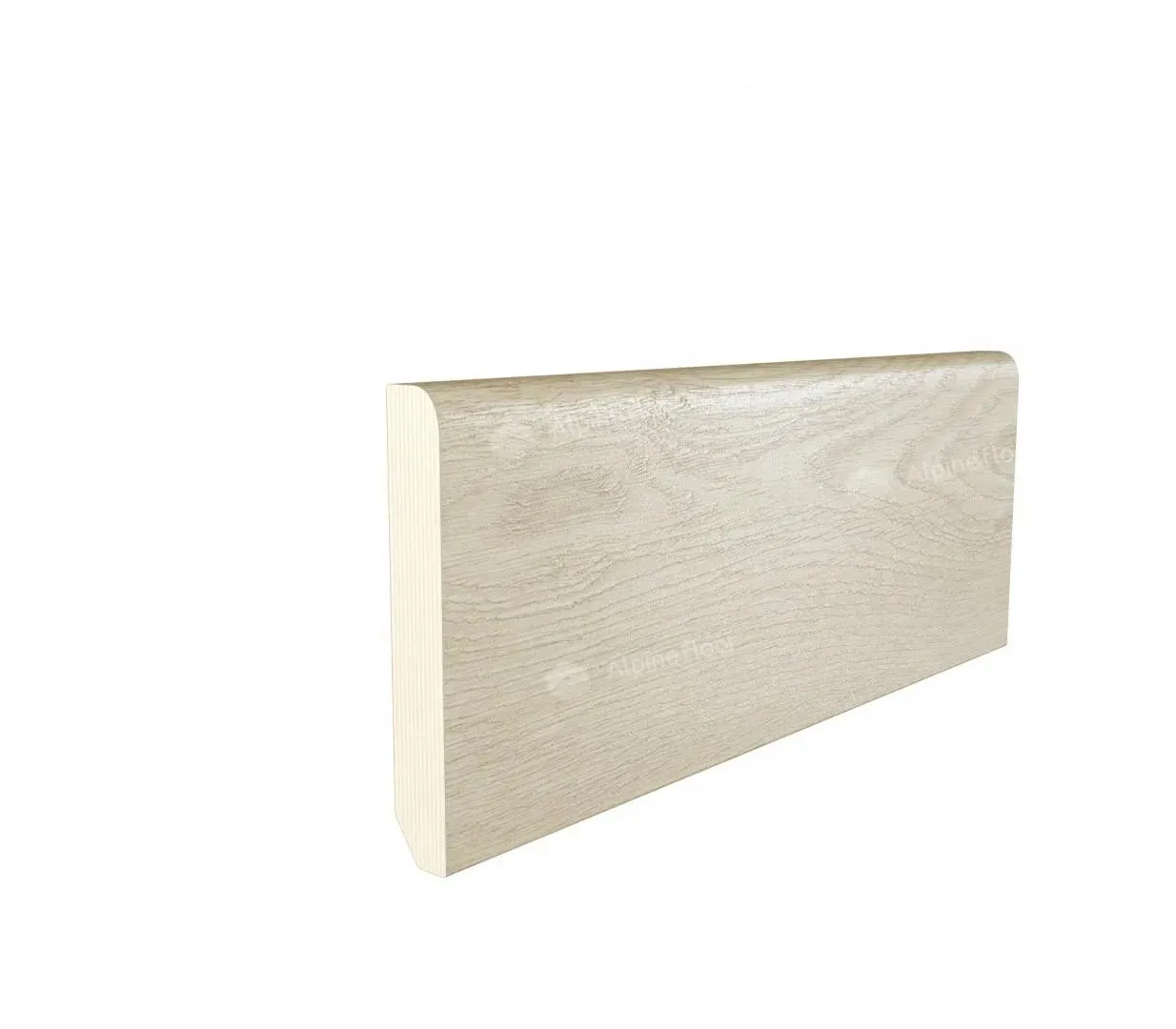
Sep. 07, 2026
Skirting Board Materials Compared: Wood, MDF, PVC and Stone Composite
When choosing skirting boards, the material can make or break your interior design. Users often ask, "What is the best skirting board material for my home?" Here, we will explore the characteristics of four popular skirting board materials: Wood, MDF (Medium Density Fiberboard), PVC (Polyvinyl Chloride), and Stone Composite. We aim to address common pain points such as durability,
Sep. 07, 2026
What Is the Best Adhesive for PU Decorative Wall Panels?
Choosing the right adhesive for PU decorative wall panels is essential for achieving a long-lasting and visually appealing installation. Homeowners, interior designers, and contractors often face the challenge of selecting an adhesive that not only securely holds the panels in place but also accommodates various environmental conditions. In this article, we will explore adhesive solutions
Sep. 04, 2026
How to Design a Bedroom Feature Wall with 3D Panels
Designing a stunning bedroom feature wall offers a transformative experience that enhances the aesthetic appeal of your living space. Today, I’ll guide you through clear, actionable steps using Polyurethane Wall Panels Interior from Alpine Floor to create a captivating 3D panel wall that draws the eye and elevates your room's design. With this approach, you’ll not only boost your personal
Sep. 04, 2026
Are Decorative Wall Panels Suitable for Kitchen Walls?
Decorative wall panels have emerged as a highly effective solution for homeowners seeking aesthetic enhancement and functional durability for kitchen walls. With the integration of Decorative PS Wall Panels, culinary spaces can be transformed into visually appealing environments while addressing common challenges such as moisture resistance, ease of maintenance, and aesthetic appeal. This article


