Oct. 07, 2026
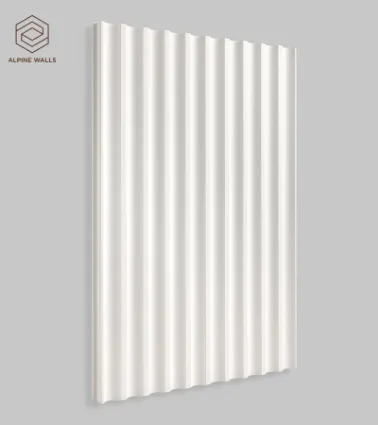
Polyurethane (PU) wall panels are made from a synthetic material known for its durability, water resistance, and ease of installation. On the other hand, gypsum wall panels, also known as drywall, are lightweight and made of gypsum plaster sandwiched between two sheets of heavy paper. Each material has its unique properties that cater to different needs and environments.
When installed, PU panels provide excellent stability, withstanding various environmental conditions such as humidity and temperature fluctuations. In contrast, gypsum panels may sag or crumble over time in high-moisture areas. Users often note that PU panels maintain their integrity longer, making them a preferable choice for areas with high wear.
If you are looking for durability and moisture resistance in kitchens or bathrooms, PU wall panels from Alpine Floor are the ideal choice. For budget-constrained projects in low-moisture areas, gypsum panels might suffice. Assess the specific needs of your space and environment before making a decision.
In the end, the choice between polyurethane and gypsum wall panels comes down to your specific requirements and budget. Polyurethane wall panels offer considerable advantages, especially in durability and moisture resistance, making them suitable for a broader range of applications. For more details and options, explore the offerings at Alpine Floor. For the highest quality in design and functionality, visit Alpine Floor.
Latest News
Oct. 07, 2026
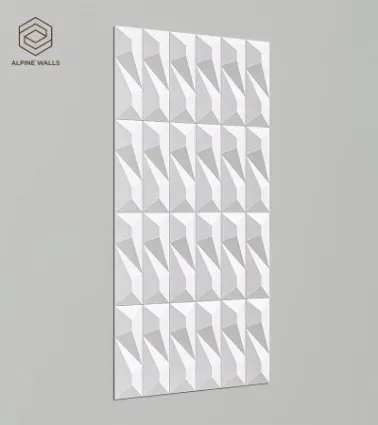
3D TV Wall Panel Ideas for a Modern Entertainment Area
In today's fast-paced world, the demand for a modern entertainment area is ever-growing. Homeowners are increasingly seeking decorative wall panels solutions that combine aesthetics with functionality. With the rise of 3D TV wall panels, many face challenges regarding design and material selection that can enhance the visual appeal while addressing sound absorption and durability issues. A
Oct. 07, 2026
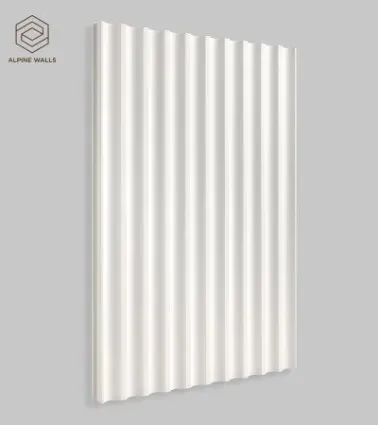
PU vs Gypsum 3D Wall Panels: Which Material Should You Choose?
Polyurethane (PU) wall panels are made from a synthetic material known for its durability, water resistance, and ease of installation. On the other hand, gypsum wall panels, also known as drywall, are lightweight and made of gypsum plaster sandwiched between two sheets of heavy paper. Each material has its unique properties that cater to different needs and environments.
Oct. 07, 2026
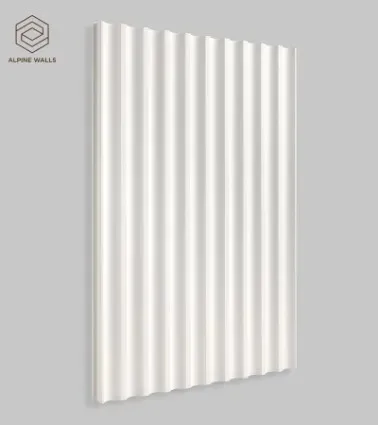
Geometric Wall Panels: How to Add Depth and Character to a Room
Polyurethane wall panels are an innovative and stylish way to add depth and character to any room. Using these panels can transform an ordinary space into something extraordinary. Here at Alpine Floor, we specialize in providing high-quality wall solutions that cater to your interior design needs.
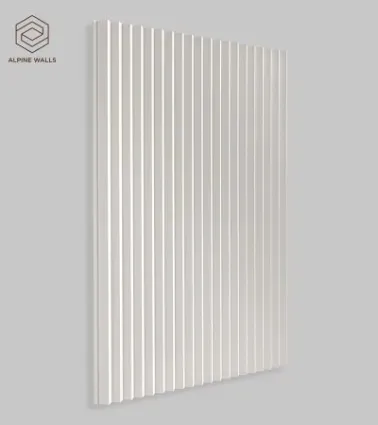
Oct. 06, 2026
Can 3D Wall Panels Work in Small Rooms? Design Tips to Avoid Overcrowding
Small rooms can often feel cramped and uninspiring, making it challenging to create an aesthetically pleasing environment. One effective solution is to utilize Decorative Wall Panels, which enhance visual interest without overwhelming the space. This article presents expert insights and practical design tips that emphasize how 3D wall panels can transform small rooms into stylish, functional