Sep. 02, 2026
When considering Decorative PS Wall Panels, one important decision involves choosing between fluted and slat wall panels. These two options serve different aesthetic and functional purposes in interior design and retail environments. In this article, we will provide an in-depth comparison of fluted and slat wall panels, exploring their features, advantages, disadvantages, and appropriate uses to help you make an informed decision.
Fluted wall panels feature vertical grooves, creating a textured appearance that adds depth and dimension to walls. They are often used in residential and commercial spaces to create a sophisticated look.
Slat wall panels consist of horizontal slats that allow for versatile display options, making them ideal for retail environments and exhibitions. They are functional while providing an understated design flair.
Fluted panels offer a classic and elegant appearance suitable for upscale interiors, enhancing wall features and serving as a unique backdrop for art and decor.
Slat wall panels produce a clean-lined, minimalist look, making them adaptable to contemporary and industrial design styles, often seen in retail spaces.
Fluted wall panels are best suited for:
Slat wall panels are typically used in:
Fluted wall panels are generally durable but can be susceptible to scratches if not handled carefully. They typically require minimal maintenance.
Slat wall panels offer robust durability and are easy to clean, making them ideal for high-traffic areas. They can support significant weight when properly installed.
Fluted wall panels are ideal for homeowners looking to upgrade their interiors with a touch of elegance, or businesses aiming to create a luxurious atmosphere.
Slat wall panels are suitable for retail businesses needing efficient product displays, as well as homeowners seeking affordable and customizable wall panels for functional spaces.
In conclusion, both fluted and slat wall panels offer unique benefits depending on your specific needs and preferences. Whether you choose Decorative PS Wall Panels from Alpine Floor or another brand, understanding your project requirements will guide you in making the right choice. For more information, visit us at Alpine Floor.
Latest News
Sep. 02, 2026
Baseboard vs Skirting Board: What Is the Difference?
When it comes to interior design, distinguishing between baseboards and skirting boards can present a challenge for homeowners and decorators alike. Many individuals grapple with fundamental questions: What ensures the perfect finish to your floors? How do these two architectural features enhance aesthetics and function within a room? Both floor molding and underlayment play pivotal roles in
Sep. 02, 2026
Types of Floor Molding: A Complete Guide to Baseboards, Trim and Transition Pieces
If you're considering renovating or installing new flooring, understanding the various types of floor molding, including baseboards, trim, and transition pieces, is essential. This guide is designed for homeowners, contractors, and DIY enthusiasts seeking to enhance the aesthetic appeal and functionality of their spaces. By addressing common problems such as gaps, uneven floors, and aesthetic
Sep. 02, 2026
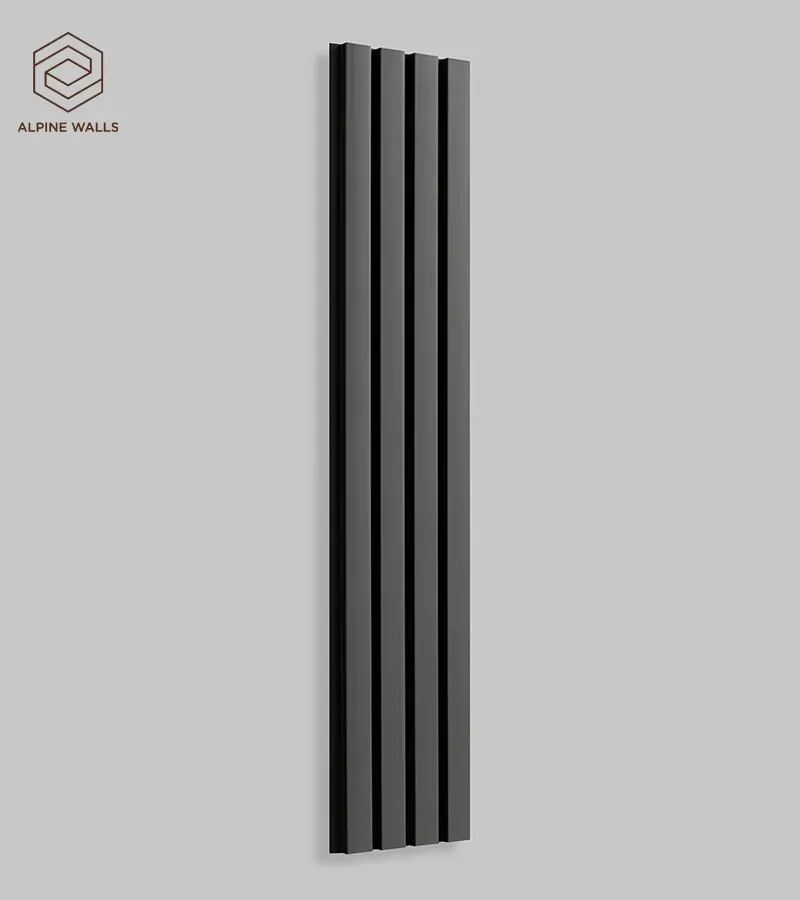
Fluted vs Slat Wall Panels: What Is the Difference?
When considering Decorative PS Wall Panels, one important decision involves choosing between fluted and slat wall panels. These two options serve different aesthetic and functional purposes in interior design and retail environments. In this article, we will provide an in-depth comparison of fluted and slat wall panels, exploring their features, advantages, disadvantages, and appropriate uses to
Sep. 01, 2026
Textured Wall Panels: A Simple Way to Transform Plain Walls
Are you looking to elevate your home’s interior design? Consider incorporating Polyurethane Wall Panels Interior into your renovation plans. Textured wall panels not only add character to an otherwise dull space but also offer numerous benefits, including ease of installation and a variety of designs to choose from. This article will guide you through the advantages of textured wall panels,


