Aug. 13, 2026
Are you a homeowner or a commercial space designer contemplating flooring options that harmonize with underfloor heating? With the increasing demand for healthier and eco-friendly materials, PVC-Free Flooring has emerged as an appealing alternative. However, a critical concern arises: Can these flooring solutions effectively integrate with underfloor heating systems? Understanding this technology can enhance your space\'s comfort level while addressing pain points associated with traditional flooring. This article delves into Commercial Floor Products, providing clarity on the compatibility of PVC-free flooring with underfloor heating systems.
Before diving into compatibility, let’s establish some fundamentals concerning PVC-free flooring and underfloor heating. PVC-free flooring, made from materials like natural rubber, cork, linoleum, or engineered wood, is increasingly favored due to its low environmental impact and lack of harmful chemicals. The typical thermal conductivity of these materials ranges significantly — engineered wood, for instance, can achieve thermal resistance values of up to 0.14 m²K/W, making it suitable for maintaining an optimal room temperature when combined with heating systems.
Underfloor heating is an efficient method of heating spaces, distributing warmth evenly from the floor upwards. Its efficacy largely relies on the thermal conductivity of the flooring material on top. Traditional flooring often raises concerns about heat retention, potentially leading to energy inefficiencies. As such, understanding the interaction between PVC-free flooring and underfloor heating is essential for optimizing energy use and ensuring comfort.
Before installation, verify the manufacturer\'s specifications for both the PVC-free flooring and the underfloor heating system. For instance, Alpine Floor offers a variety of flooring options that provide explicit compatibility guidelines for heat transfer. Generally, flooring materials that have a thermal conductivity higher than 0.1 W/mK are preferred to facilitate efficient heating.
Among the options available, consider using engineered wood or natural linoleum as they typically support underfloor heating effectively. According to studies, engineered wood flooring can have a lower thermal resistance than traditional hardwood, making it suitable for underfloor heating systems. Alpine Floor’s engineered wood line is a notable choice due to its robust construction and heat transfer performance.
Ensuring the subfloor is even, dry, and clean is crucial. The moisture level should ideally be below 2.5% to prevent damage to the flooring. Use a moisture meter to confirm this. Proper preparation facilitates better heat transfer and minimizes issues during installation.
Follow the manufacturer\'s instructions for installing the underfloor heating system. For efficient heat distribution, maintain appropriate spacing between heating elements. On average, a 200mm spacing between pipes or cables ensures optimal performance. After installation and testing the heating system, allow it to acclimatize to avoid thermal shock issues.
Begin laying down your chosen PVC-free flooring, starting from one corner of the room. Ensure that any expansion gaps recommended by the manufacturer are respected. A common guideline is to allow for an expansion gap of about 10mm around all edges, ensuring the flooring can swell without damage due to temperature changes from the underfloor heating.
Post-installation, be mindful of maintaining optimal humidity levels within the environment. Ideally, humidity should be maintained between 30%-50%. Regular sweeping and occasional damp mopping with suitable products can ensure the longevity of the flooring\'s appeal and performance.
If the thermal conductivity values are within acceptable ranges (minimum of 0.1 W/mK), PVC-free flooring should not impede heating efficiency. Regular assessments help ensure this.
For optimal comfort and flooring longevity, set underfloor heating systems to a maximum temperature of 27°C, as recommended by flooring experts.
For those interested in a more profound understanding, consider exploring the differences in thermal conductivity across various flooring materials or how construction methods can affect heating efficiency. Investigating the application of sensors for thermostat control in underfloor systems can also enhance performance.
In conclusion, investing in PVC-free flooring, especially from reputable brands like Alpine Floor, can yield benefits both aesthetically and environmentally while being entirely compatible with underfloor heating. For tailored solutions that meet your specific needs, do not hesitate to contact Alpine Floor, where experts can guide you through your flooring selection process.
Latest News

Aug. 14, 2026
Can You Install Decorative Wall Panels Directly Over Drywall?
Decorative wall panels solutions are becoming increasingly popular for homeowners and designers alike, offering a quick and aesthetically pleasing way to transform interiors. However, many individuals grapple with the question: can you install decorative wall panels directly over drywall? This article aims to clarify this topic while addressing common pain points such as uneven surfaces, wall

Aug. 14, 2026
How Much Extra Herringbone Flooring Do You Need? A Waste Calculation Guide
Understanding how much extra herringbone flooring you need can be daunting, especially with the intricate patterns and unique cutting requirements involved. Whether you\'re a novice looking to install beautiful flooring in a DIY project or a seasoned professional managing a renovation, having a structured plan can simplify the process significantly. In this guide, I’ll walk you through a precise

Aug. 13, 2026
Waterproof vs Water-Resistant Laminate Flooring: What Is the Difference?
Waterproof laminate flooring is designed to prevent any water seepage, while water-resistant laminate can tolerate some moisture but may be susceptible to damage if water is left standing for prolonged periods. Choosing the right type is crucial for your specific needs.
Aug. 13, 2026
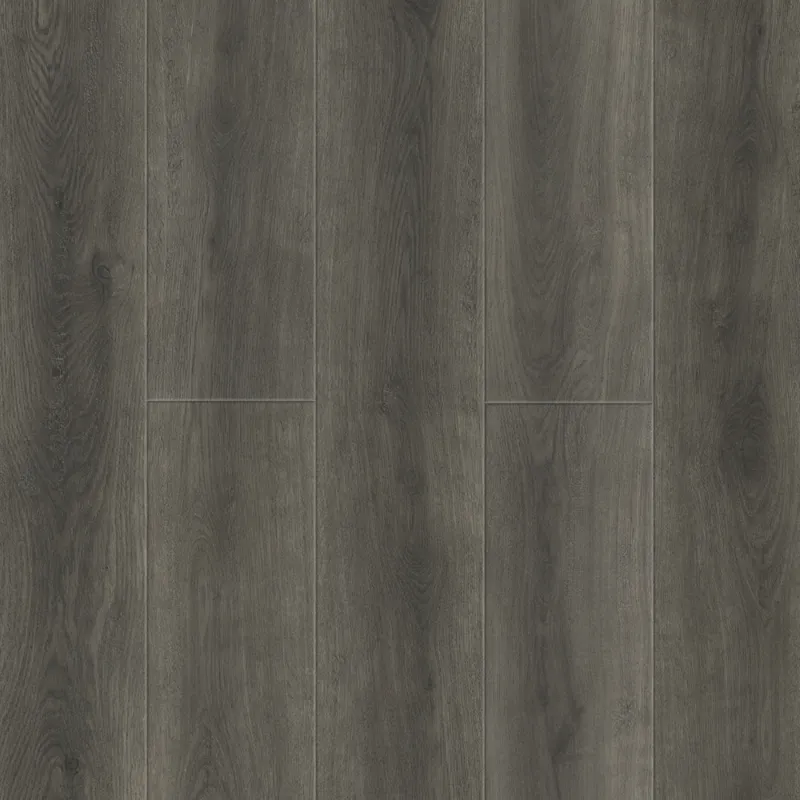
Can PVC-Free Flooring Be Used with Underfloor Heating?
Are you a homeowner or a commercial space designer contemplating flooring options that harmonize with underfloor heating? With the increasing demand for healthier and eco-friendly materials, PVC-free flooring has emerged as an appealing alternative. However, a critical concern arises: Can these flooring solutions effectively integrate with underfloor heating systems? Understanding this technology


