Sep. 02, 2026
When it comes to interior design, distinguishing between baseboards and skirting boards can present a challenge for homeowners and decorators alike. Many individuals grapple with fundamental questions: What ensures the perfect finish to your floors? How do these two architectural features enhance aesthetics and function within a room? Both floor molding and underlayment play pivotal roles in creating a seamless transition from wall to floor, yet they often overlap in usage and terminology. Knowing the pain points of consumers helps navigate these common dilemmas, leading to practical solutions that promise improved visual appeal and structural integrity.
Baseboards, also known as wall base or skirting, are typically installed at the junction where the wall meets the floor. They typically feature a height of 3 to 5 inches (7.62 to 12.7 cm) and offer a protective barrier that guards the wall from furniture and foot traffic. On the other hand, skirting boards can refer to any decorative trim that rises upwards from the floor, including baseboards, but they can also encompass decorative paneling that extends higher up the wall, creating a more ornate look that can reach heights over 6 inches (15.24 cm).
In practical terms, the main difference lies in the context of use and design intent, as skirting boards may also provide a visual break that enhances the overall aesthetics of a room.
| Feature | Baseboard | Skirting Board |
|---|---|---|
| Height | 3 - 5 inches (7.62 - 12.7 cm) | 6 inches (15.24 cm) and above |
| Material Options | Wood, PVC, MDF | Wood, MDF, and decorative panels |
| Purpose | Protection and aesthetic | Decoration and enhancement |
| Installation Complexity | Moderate | High (if decorative) |
While both baseboards and skirting boards have their distinct advantages, the choice largely depends on specific scenarios. For a minimalist or modern interior, homeowners often prefer baseboards to maintain clean lines. Conversely, if you're decorating a period property or looking to add character to a contemporary home, skirting boards may yield a transformative effect.
Prices vary significantly based on material choice and manufacturer. For instance, a standard wooden baseboard can cost around $1 to $3 per linear foot, while decorative skirting boards can range from $4 to $10 per linear foot, depending on style and material. Brands like Alpine Floor often provide options that strike a balance between cost and aesthetic appeal, making it a popular choice among consumers.
User experiences with baseboards and skirting boards often reflect their practicality and aesthetic contributions. For instance, Karen L., a homeowner in Seattle, shared her dilemma on an online interior design forum. After choosing a sleek baseboard option, she found that it didn’t distract from her modern decor, yielding a 25% improvement in her living area's overall appearance. In contrast, another user, John R., opted for ornate skirting boards in his historic home, resulting in elevated property value—he reported increased interest during open houses post-renovation.
When it comes to choosing between baseboards and skirting boards, our recommendations focus on in-depth evaluations based on real customer cases:
Baseboards are ideal for homeowners looking for a straightforward installation and sleek finishes in contemporary spaces. Skirting boards, however, suit those who appreciate classical elegance or have more complex design goals in mind. If you're uncertain which to choose, reaching out to specialists at Alpine Floor can provide tailored advice.
Ready to enhance your home’s aesthetic? Explore the wide range of products at Alpine Floor today to find the perfect baseboard or skirting board suited to your design vision.
Baseboards are primarily functional, while skirting boards also provide decorative value and can be taller.
Prices can range from $4 to $10 per linear foot depending on material and design.
Both options can be installed DIY, but skirting boards, particularly ornate ones, may require more skills and tools.
Latest News
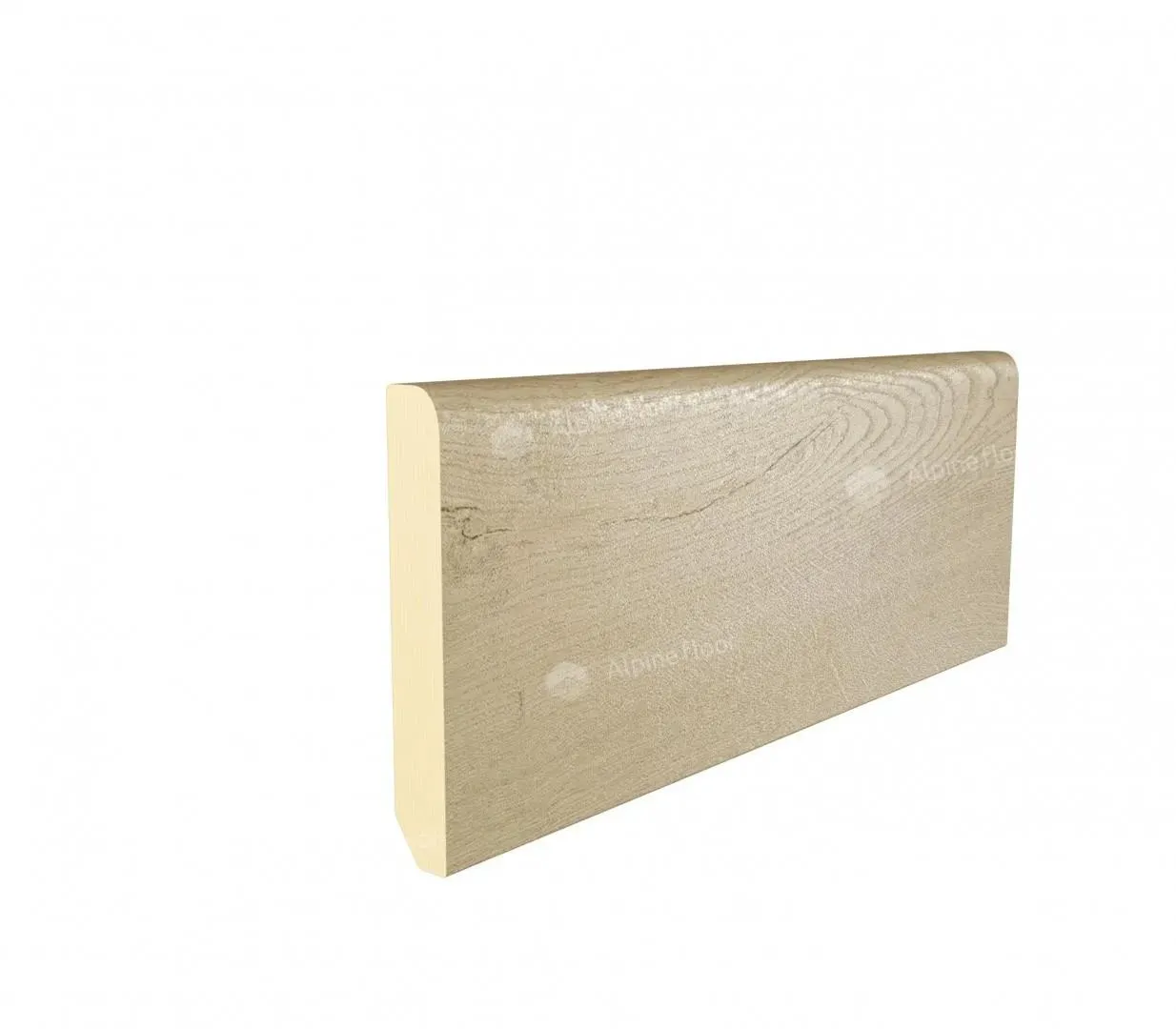
Sep. 02, 2026
Baseboard vs Skirting Board: What Is the Difference?
When it comes to interior design, distinguishing between baseboards and skirting boards can present a challenge for homeowners and decorators alike. Many individuals grapple with fundamental questions: What ensures the perfect finish to your floors? How do these two architectural features enhance aesthetics and function within a room? Both floor molding and underlayment play pivotal roles in
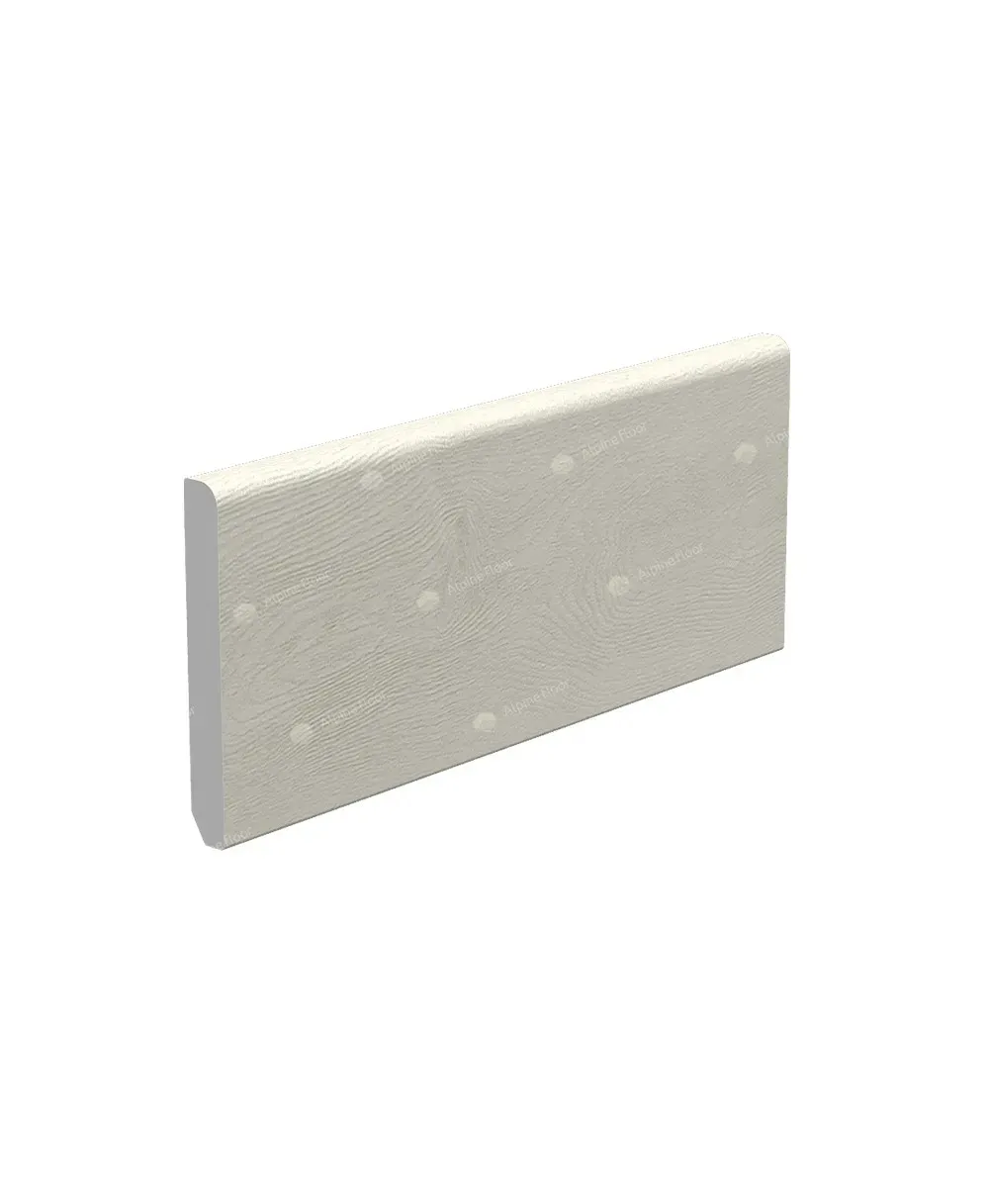
Sep. 02, 2026
Types of Floor Molding: A Complete Guide to Baseboards, Trim and Transition Pieces
If you're considering renovating or installing new flooring, understanding the various types of floor molding, including baseboards, trim, and transition pieces, is essential. This guide is designed for homeowners, contractors, and DIY enthusiasts seeking to enhance the aesthetic appeal and functionality of their spaces. By addressing common problems such as gaps, uneven floors, and aesthetic
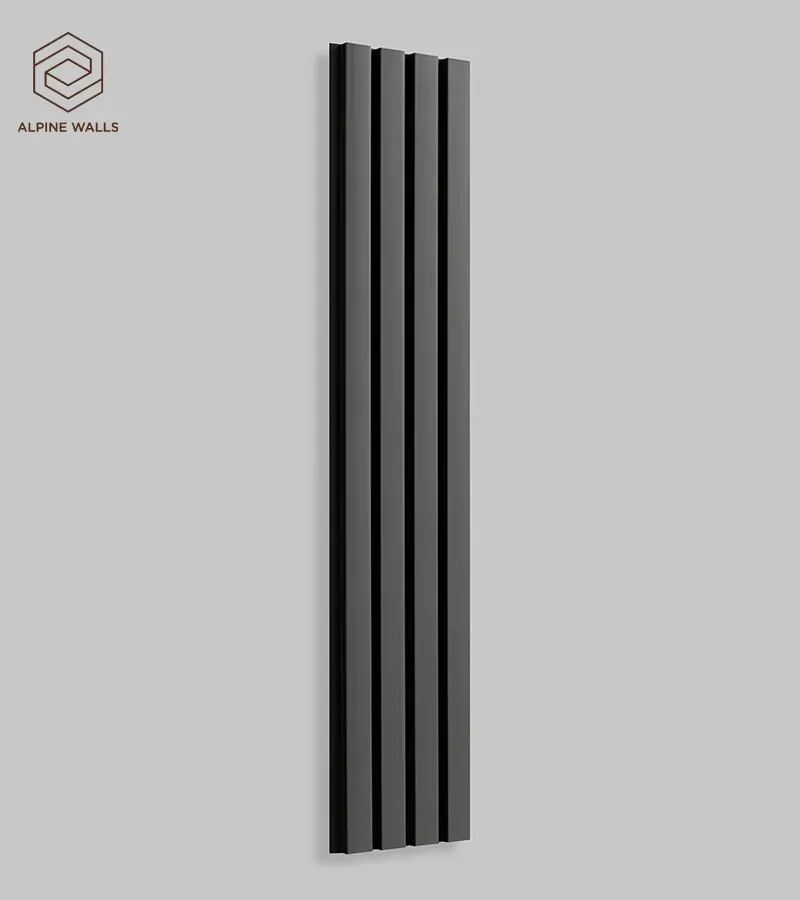
Sep. 02, 2026
Fluted vs Slat Wall Panels: What Is the Difference?
When considering Decorative PS Wall Panels, one important decision involves choosing between fluted and slat wall panels. These two options serve different aesthetic and functional purposes in interior design and retail environments. In this article, we will provide an in-depth comparison of fluted and slat wall panels, exploring their features, advantages, disadvantages, and appropriate uses to
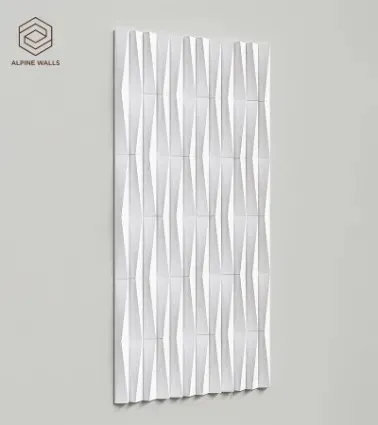
Sep. 01, 2026
Textured Wall Panels: A Simple Way to Transform Plain Walls
Are you looking to elevate your home’s interior design? Consider incorporating Polyurethane Wall Panels Interior into your renovation plans. Textured wall panels not only add character to an otherwise dull space but also offer numerous benefits, including ease of installation and a variety of designs to choose from. This article will guide you through the advantages of textured wall panels,


