Oct. 05, 2026
When building or renovating a space, choosing the appropriate floor molding is essential for both aesthetics and functionality. Among the most commonly asked questions are: "When should I use baseboard molding?" and "Is quarter round necessary for my flooring project?" This article will break down the differences between baseboards and quarter rounds, highlighting their unique purposes and providing guidance on when to use each. Understanding how they impact the flooring underlayment and overall decor can help homeowners make informed decisions that align with their personal styles and specific scenarios.
| Feature | Baseboard | Quarter Round |
|---|---|---|
| Height | Typically 3-5 inches | Usually 3/4 inch |
| Function | Covers the joint between wall and floor | Covers the gap between baseboards and flooring |
| Installation Skills | Moderate carpentry skills required | Minimal skills needed, often DIY friendly |
| Material Variety | Wood, MDF, PVC | Wood, MDF, flexible plastic |
| Cost per Linear Foot | Approximately $1.50 - $3.00 | Approximately $0.50 - $1.50 |
The choice between baseboards and quarter rounds often hinges on the specifics of the installation scenario. For example, a homeowner, Sarah, embarked on a renovation of her Living Room, opting for Alpine Floor products. She chose the taller baseboards to complement her high ceilings, which provided an elegant transition from wall to floor. In contrast, her kitchen remodel required quarter round to seamlessly cover the gaps between the baseboards and the new tile flooring.
In terms of price analysis, baseboards can range from $1.50 to $3.00 per linear foot, while quarter round typically costs between $0.50 to $1.50 per linear foot. Budget-conscious homeowners like Sarah often find that when upgrading larger spaces, using quarter round can afford significant savings without sacrificing visual appeal.
Feedback from users can significantly influence product choices. Several customers have praised the durability and aesthetic of Alpine Floor's baseboards, noting that the designs integrate well with different styles, whether modern or traditional. One user stated, “Since installing the Alpine Floor baseboards, my Living Room feels more cohesive; they’ve truly elevated the entire space!” On the other hand, quarter round also receives commendations for its practical application. As another customer put it, “The quarter round was a simple addition, but it made a huge difference in pulling my floors together.”
When it comes to baseboards and quarter rounds, the choice should be informed by individual needs. For larger spaces or areas with high ceilings, baseboards create height and elegance, making them ideal for living rooms and formal areas. Conversely, quarter round serves its purpose in more functional spaces like kitchens or bathrooms where prevention of water damage around edges is crucial.
Real customer cases show that homeowners renovating older homes might lean towards baseboards for a more classic look while new constructions often utilize quarter round for a clean, contemporary edge. Alpine Floor offers a range of styles and materials tailored to meet the preferences of any homeowner.
Choosing between baseboard and quarter round molding largely depends on the specific environment and desired look. Baseboards are suitable for areas where vertical elevation is desired, while quarter round is best for spaces requiring gap coverage. Both options play vital roles in enhancing the overall aesthetic and durability of flooring installations.
Now that you have a better understanding of the differences and uses of baseboards and quarter rounds, consider your project's requirements carefully. Visit Alpine Floor to explore a variety of floor moldings and find the perfect materials for your next renovation challenge.
Latest News
Oct. 08, 2026
3D Wall Panel Ideas for Hotel Lobbies and Guest Areas
The hotel industry is constantly evolving, with design trends shifting toward more immersive and unique experiences. One of the latest trends is the use of decorative wall panels, particularly 3D wall panels, which provide not only aesthetic appeal but also functional solutions. The pain points faced by hotel owners include the need to create inviting guest areas while maintaining
Oct. 08, 2026
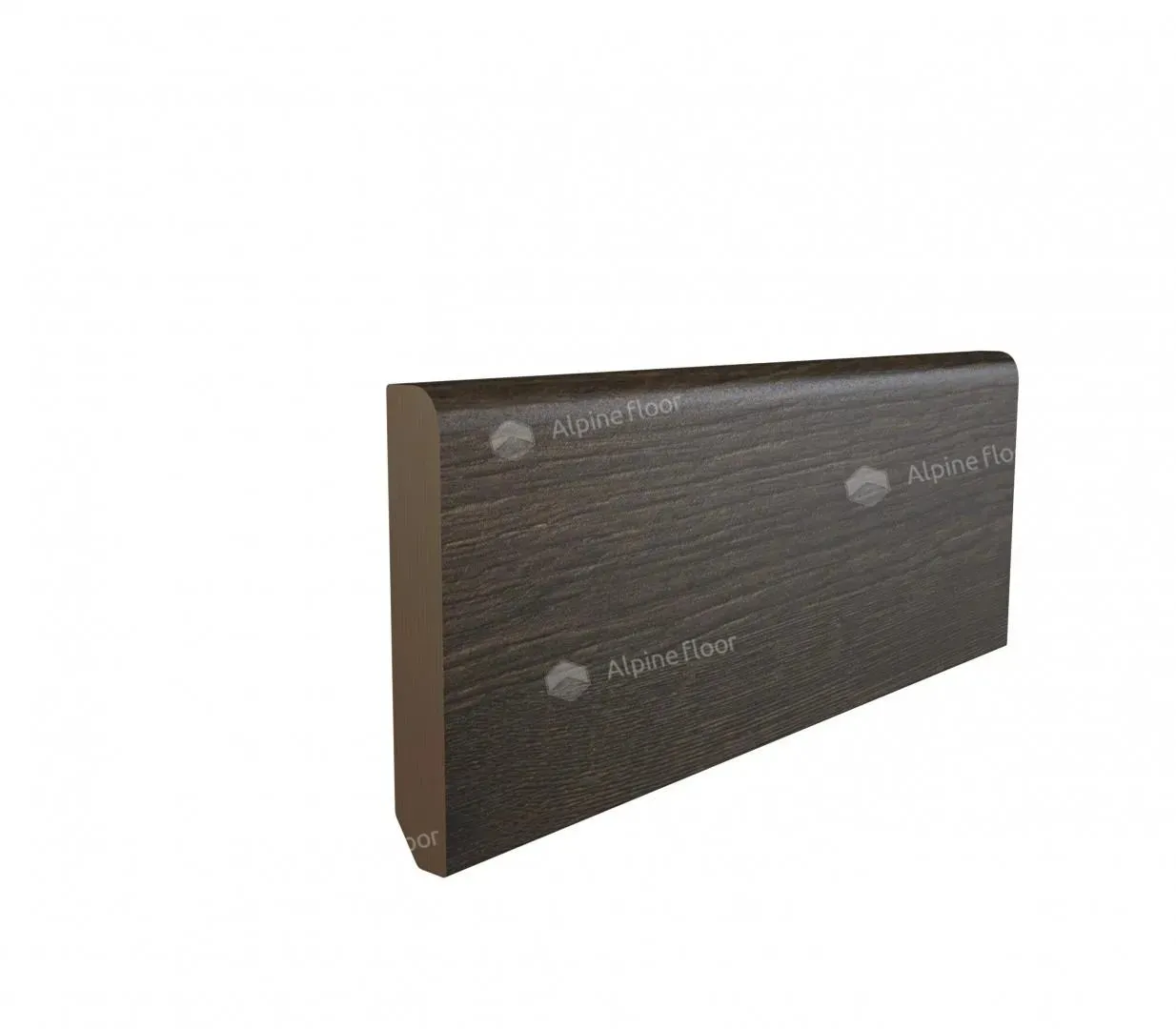
Are Waterproof Skirting Boards Better for Kitchens and Bathrooms?
In modern home design, the significant impact of materials such as Floor Molding & Underlayment cannot be overlooked. Homeowners are increasingly faced with challenges regarding moisture control, particularly in kitchens and bathrooms. Traditional skirting boards often absorb moisture, leading to warping, mold growth, and significant damage. In this scenario, waterproof skirting boards emerge as
Oct. 08, 2026
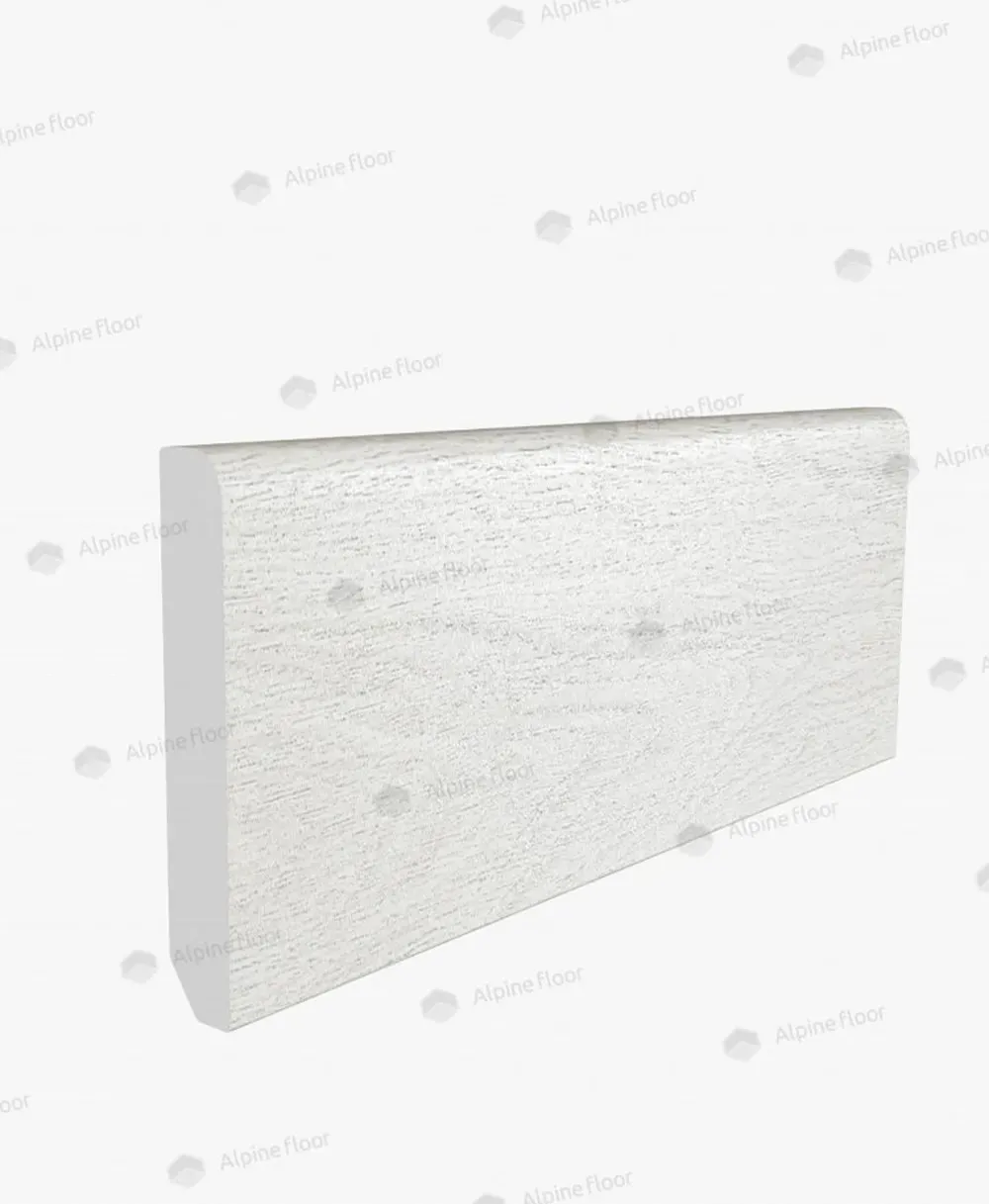
Floor Molding vs Floor Trim: Which Finishing Piece Do You Need?
In the world of interior design, the finishing touches can make or break the aesthetic appeal of a room. When it comes to flooring, floor molding and floor trim are two critical components that homeowners often find themselves considering for their space. Users frequently ask whether they should opt for floor molding or floor trim, leading to common pain points such as determining the right type
Oct. 07, 2026
3D TV Wall Panel Ideas for a Modern Entertainment Area
In today's fast-paced world, the demand for a modern entertainment area is ever-growing. Homeowners are increasingly seeking decorative wall panels solutions that combine aesthetics with functionality. With the rise of 3D TV wall panels, many face challenges regarding design and material selection that can enhance the visual appeal while addressing sound absorption and durability issues. A


