Oct. 08, 2026
In modern home design, the significant impact of materials such as Floor Molding & Underlayment cannot be overlooked. Homeowners are increasingly faced with challenges regarding moisture control, particularly in kitchens and bathrooms. Traditional skirting boards often absorb moisture, leading to warping, mold growth, and significant damage. In this scenario, waterproof skirting boards emerge as a viable solution. This article explores the effectiveness, advantages, and disadvantages of waterproof skirting boards, particularly focusing on how brands like Alpine Floor have innovated in this space.
Waterproof skirting boards offer a range of benefits, especially in moisture-rich environments like kitchens and bathrooms. One compelling advantage is their high resistance to water and humidity. According to a study by the National Wood Flooring Association, moisture-resistant materials can reduce mold growth by up to 90% compared to traditional wood. This statistic emphasizes the potential health benefits of using waterproof skirting boards, as mold can cause serious respiratory issues.
Furthermore, waterproof skirting boards are designed with durability in mind. For instance, many products in the market, including those by Alpine Floor, have a lifespan that exceeds 20 years when installed correctly. This lifespan is supported by an average hardness rating of over 2200 on the Janka scale, which indicates excellent wear resistance. Another notable feature is ease of installation; some waterproof boards can be installed in as little as 2 hours, saving both time and labor costs.
While there are numerous benefits to waterproof skirting boards, it's essential to consider the potential disadvantages as well. One critical drawback is the cost. On average, waterproof skirting boards can be priced 20-30% higher than traditional wooden boards. This price point can deter budget-conscious homeowners. Additionally, although these boards are waterproof, they may not be as effective in extreme temperature fluctuations, which could lead to cracking or fading over extended periods.
Another concern is the aesthetic appeal. While waterproof options have improved significantly, they may not match the rich, organic grain patterns of high-quality natural wood. For homeowners who prioritize aesthetics, investing in a product that lacks that natural look could be unsatisfactory.
When weighing the pros and cons, is it worth it to purchase waterproof skirting boards? If you frequently deal with humidity or moisture, the advantages generally outweigh the disadvantages. The potential for reduced maintenance and extended life is appealing. Furthermore, for those living in regions with high humidity levels, waterproof skirting boards can provide critical protection against water damage and mold, ultimately saving thousands in repair costs.
Ultimately, homeowners should assess their specific needs and conditions. If your kitchen or bathroom undergoes frequent spills or has minimal ventilation, waterproof skirting boards are a smart and economical choice over time.
In conclusion, waterproof skirting boards are especially recommended for families with children or pets, or in homes where spills are frequent. They are also suitable for those living in climates that experience heavy rain or high humidity and want to minimize moisture-related issues. Brands like Alpine Floor offer various attractive options that blend performance with style.
Installation typically involves ensuring your wall surface is dry and clean, followed by cutting the boards to size and adhering them with appropriate adhesives or screws. Most products come with a detailed installation guide for optimal results.
Yes, most waterproof skirting boards can be painted, but it's crucial to use a paint that is compatible with the material for the best adhesion and durability.
Generally, maintenance involves routine cleaning with mild detergent and water. Avoid abrasive cleaners that may damage the surface over time.
Latest News
Oct. 08, 2026
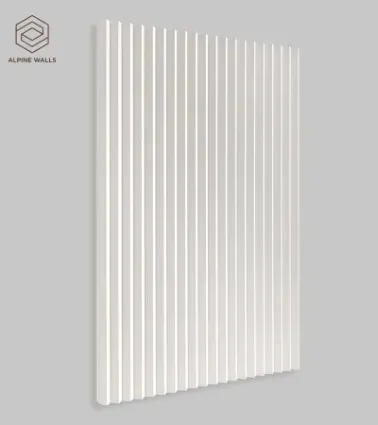
3D Wall Panel Ideas for Hotel Lobbies and Guest Areas
The hotel industry is constantly evolving, with design trends shifting toward more immersive and unique experiences. One of the latest trends is the use of decorative wall panels, particularly 3D wall panels, which provide not only aesthetic appeal but also functional solutions. The pain points faced by hotel owners include the need to create inviting guest areas while maintaining
Oct. 08, 2026
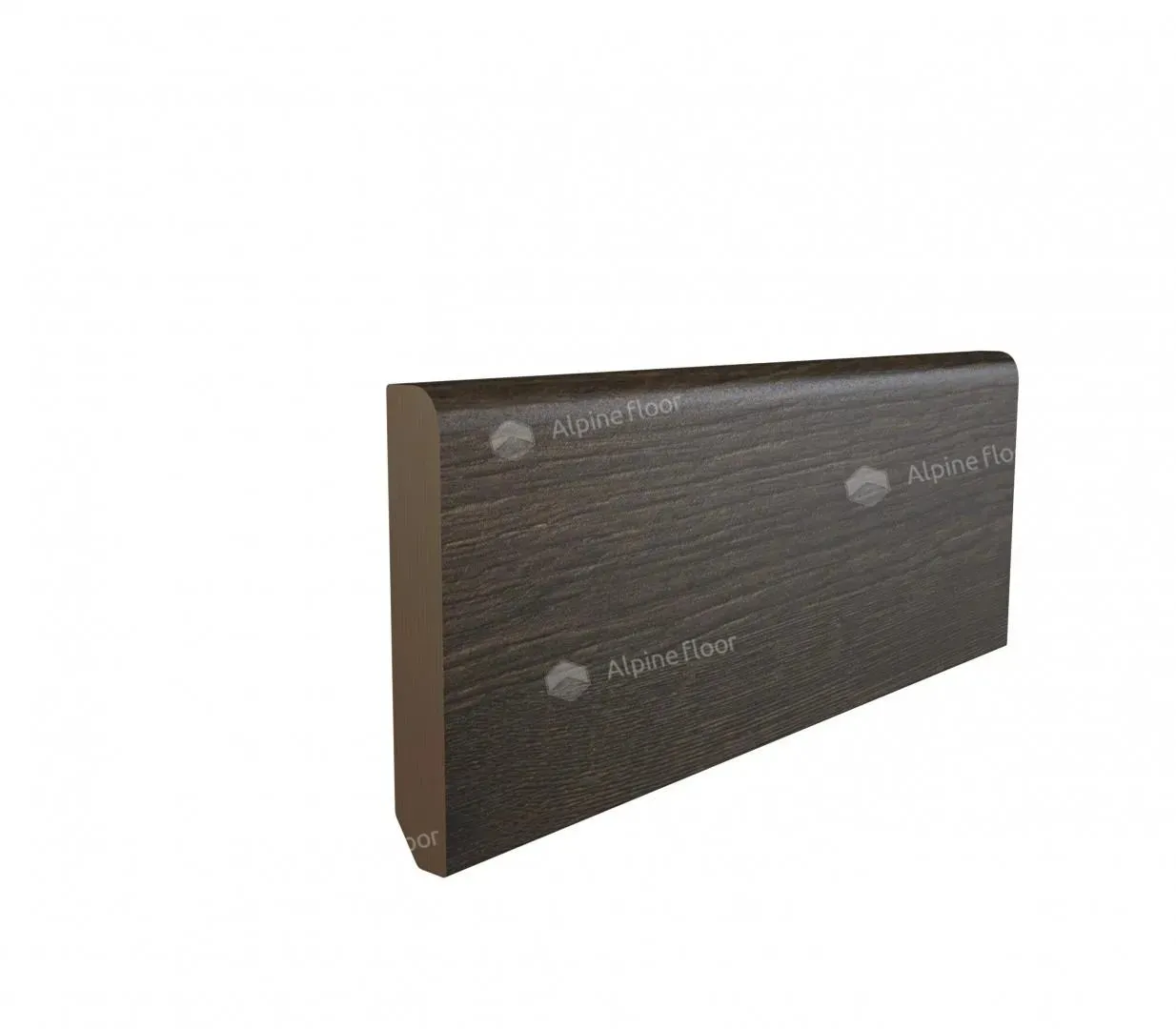
Are Waterproof Skirting Boards Better for Kitchens and Bathrooms?
In modern home design, the significant impact of materials such as Floor Molding & Underlayment cannot be overlooked. Homeowners are increasingly faced with challenges regarding moisture control, particularly in kitchens and bathrooms. Traditional skirting boards often absorb moisture, leading to warping, mold growth, and significant damage. In this scenario, waterproof skirting boards emerge as
Oct. 08, 2026
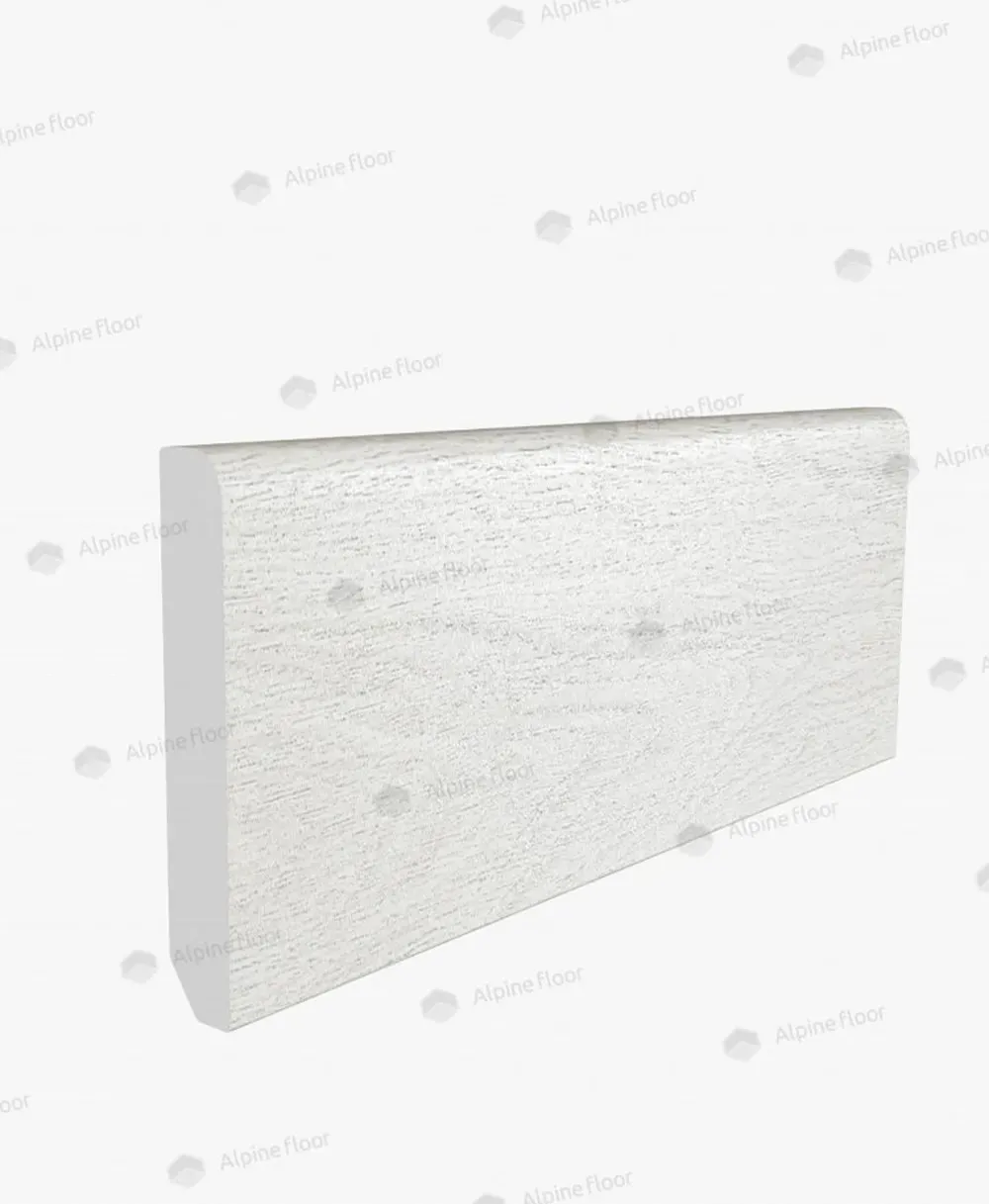
Floor Molding vs Floor Trim: Which Finishing Piece Do You Need?
In the world of interior design, the finishing touches can make or break the aesthetic appeal of a room. When it comes to flooring, floor molding and floor trim are two critical components that homeowners often find themselves considering for their space. Users frequently ask whether they should opt for floor molding or floor trim, leading to common pain points such as determining the right type
Oct. 07, 2026
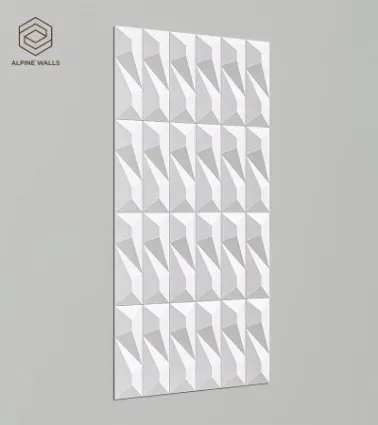
3D TV Wall Panel Ideas for a Modern Entertainment Area
In today's fast-paced world, the demand for a modern entertainment area is ever-growing. Homeowners are increasingly seeking decorative wall panels solutions that combine aesthetics with functionality. With the rise of 3D TV wall panels, many face challenges regarding design and material selection that can enhance the visual appeal while addressing sound absorption and durability issues. A


