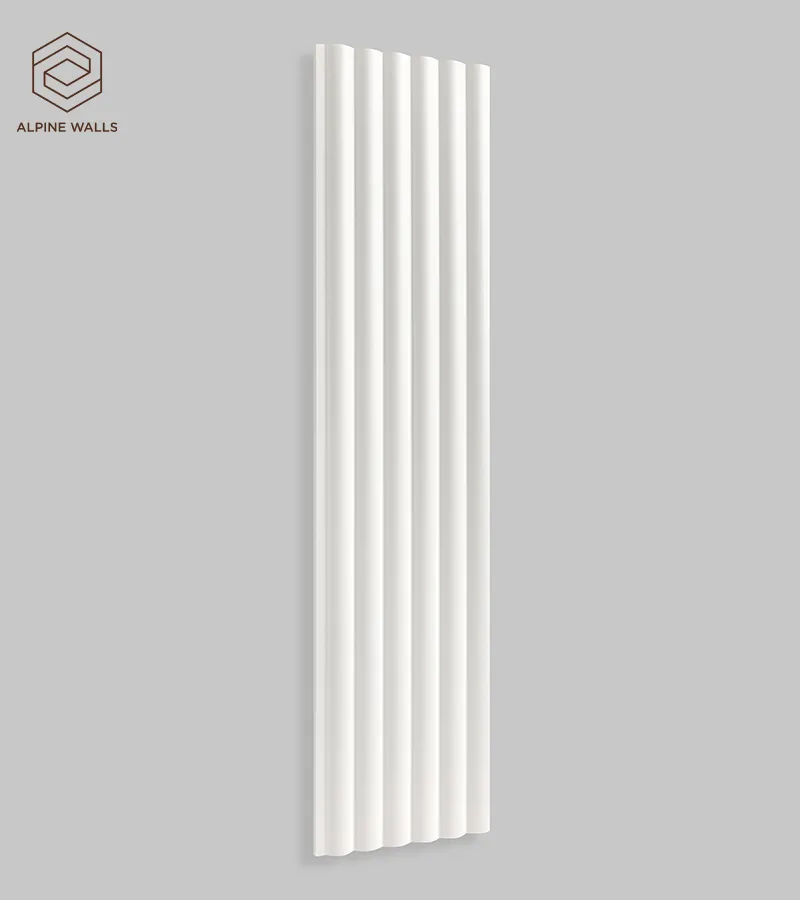
Aug. 10, 2026
Polyurethane (PU) wall panels are an innovative building material known for their durability and aesthetic appeal. Commonly used in both residential and commercial applications, these panels offer a lightweight solution with enhanced thermal insulation properties.
PU wall panels are favored for their cost-effectiveness, variety of design options, and ease of installation. They can significantly enhance the aesthetic of any space while providing functional benefits.
Waterproof materials are impervious to water, while moisture-resistant materials can withstand some level of humidity but will allow water penetration over time. Understanding this distinction is crucial for selecting the appropriate material for specific applications.
PU wall panels are typically moisture-resistant rather than fully waterproof. While they can handle some exposure to moisture, prolonged exposure in high-humidity areas may lead to degradation.
| Attribute | Water Resistance | Durability | Ease of Installation | Cost |
|---|---|---|---|---|
| PU Wall Panels | Moisture-Resistant | High | Easy | Moderate |
| Other Materials | Waterproof | Varies | Varies | Higher |
In environments exposed to high moisture levels, such as bathrooms or kitchens, PU wall panels can be susceptible to mold and mildew if not properly maintained. Users should consider the environment where the panels will be installed to assess their long-term performance.
Users have reported satisfaction with PU wall panels in terms of aesthetics and ease of installation but caution about their limitations in high-moisture areas. Many recommend proper sealing and maintenance to enhance their durability.
PU wall panels are ideal for:
In summary, while PU wall panels offer many benefits in terms of design and insulation, they are best suited for non-wet environments. For maximum longevity, ensure proper installation and maintenance. For more decorative options, consider Decorative PS Wall Panels. For quality and affordability, Alpine Floor offers exceptional products to meet your needs. Visit us at Alpine Floor.
Latest News
Aug. 14, 2026
Can You Install Decorative Wall Panels Directly Over Drywall?
Decorative wall panels solutions are becoming increasingly popular for homeowners and designers alike, offering a quick and aesthetically pleasing way to transform interiors. However, many individuals grapple with the question: can you install decorative wall panels directly over drywall? This article aims to clarify this topic while addressing common pain points such as uneven surfaces, wall
Aug. 14, 2026
How Much Extra Herringbone Flooring Do You Need? A Waste Calculation Guide
Understanding how much extra herringbone flooring you need can be daunting, especially with the intricate patterns and unique cutting requirements involved. Whether you\'re a novice looking to install beautiful flooring in a DIY project or a seasoned professional managing a renovation, having a structured plan can simplify the process significantly. In this guide, I’ll walk you through a precise
Aug. 13, 2026
Waterproof vs Water-Resistant Laminate Flooring: What Is the Difference?
Waterproof laminate flooring is designed to prevent any water seepage, while water-resistant laminate can tolerate some moisture but may be susceptible to damage if water is left standing for prolonged periods. Choosing the right type is crucial for your specific needs.
Aug. 13, 2026
Can PVC-Free Flooring Be Used with Underfloor Heating?
Are you a homeowner or a commercial space designer contemplating flooring options that harmonize with underfloor heating? With the increasing demand for healthier and eco-friendly materials, PVC-free flooring has emerged as an appealing alternative. However, a critical concern arises: Can these flooring solutions effectively integrate with underfloor heating systems? Understanding this technology